
Can you really beat the house edge in a casino?

Understanding the House Edge
The house edge is a fundamental concept in casino gaming that represents the statistical advantage that the casino holds over players. This advantage is built into every game, ensuring that, over time, the house will profit from the games they offer. Each casino game, from slot machines to table games like blackjack and roulette, has its own specific house edge, expressed as a percentage. For example, players who enjoy online gambling might find that the neosurf casino provides various options, with blackjack having a house edge as low as 0.5% when played optimally, while some slot machines can have edges exceeding 10% depending on their design and payout structure.
Understanding how the house edge influences your odds is crucial for making informed decisions about which games to play and what strategies to employ. Each game is carefully designed with this edge in mind, and the odds are calculated to ensure that the casino remains profitable in the long run. It’s essential for players to recognize that even if they experience wins in the short term, the mathematical advantage will ultimately work against them unless they adopt strategies that mitigate this edge effectively.
Enthusiasts often wonder if skill can overcome the house edge, especially in games where strategic decision-making plays a significant role. While games like poker and blackjack involve an element of strategy, they still carry inherent risks due to the house’s advantage. Thus, while players can improve their chances with knowledge and skill, the house edge remains a constant presence that cannot be entirely eliminated in games of chance. This reality highlights the importance of understanding the mechanics of each game and the strategies that can help minimize losses.
Strategies to Improve Your Odds
While outright beating the house edge is unlikely, employing strategic methods can significantly enhance your odds of winning. For instance, in games such as blackjack, mastering the basic strategy—which involves knowing when to hit, stand, or double down—can minimize the house advantage effectively. Players who invest time in memorizing these strategies typically see better results, as they can make decisions that align with statistical probabilities rather than relying solely on intuition or luck.
Beyond basic strategies, certain games allow for advanced techniques that can give players an edge over the casino. In blackjack, card counting is a well-known strategy that involves keeping track of the ratio of high to low cards remaining in the deck. By adjusting their bets based on this information, skilled players can increase their chances of winning. However, it’s important to note that casinos are highly vigilant against this practice and may ask players suspected of counting cards to leave the premises.

Additionally, selecting games with a lower house edge can further enhance a player’s winning potential. For example, games like baccarat and certain variations of video poker often feature more favorable odds for players. By choosing wisely and applying strategic play, individuals can significantly improve their overall experiences at the casino while reducing the adverse impact of the house edge. This approach encourages a more thoughtful gambling experience where players are proactive about their choices.
The Role of Luck in Gambling
Luck is an integral component of gambling that cannot be overlooked. While strategic play can certainly improve a player’s odds, the unpredictable nature of chance plays a significant role in the outcome of each game. A player’s success can vary dramatically from one session to the next, with the element of luck sometimes leading to unexpected wins. However, this does not eliminate the reality of the house edge, which is consistently present in all casino games.
The concept of variance in gambling illustrates how luck manifests over time. While players may experience winning streaks due to sheer luck, the law of large numbers indicates that outcomes will even out over time, typically favoring the house. This means that while a lucky streak can lead to significant wins, the longer players gamble, the more likely they are to encounter losses that align with the house edge. Understanding this balance between luck and strategy is crucial for maintaining realistic expectations while gambling.
Recognizing the interplay between skill, strategy, and luck can help players develop a healthier mindset towards gambling. While some may hit it big on their first try, others may face prolonged losing sessions. Embracing the unpredictable nature of luck, while being informed about strategy and the house edge, can lead to a more enjoyable and responsible gambling experience. By acknowledging that luck is a factor, players can approach their gaming sessions with a sense of realism and enjoyment rather than unbridled expectation.
The Psychological Aspects of Gambling
The psychological factors at play in a casino setting can significantly influence players‘ behaviors and decisions. Many individuals fall prey to cognitive biases that can skew their understanding of risk and reward. For example, the illusion of control may lead gamblers to believe they can influence outcomes in games of chance, prompting them to take unnecessary risks. This cognitive bias can lead to chasing losses, which only increases exposure to the house edge and potential financial harm.
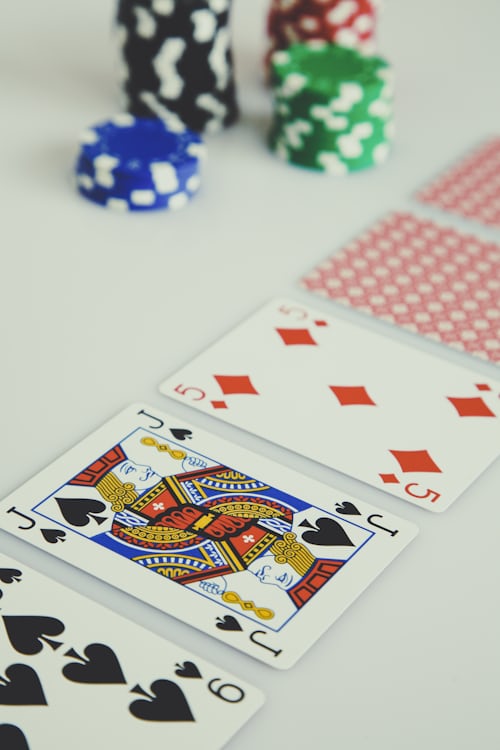
Moreover, the thrill of gambling can create a dopamine-driven experience that enhances enjoyment but can also cloud judgment. Casinos are intentionally designed to create an atmosphere that encourages players to stay longer, often utilizing tactics such as free drinks, bright lights, and engaging sounds to maintain a high-energy environment. Awareness of these psychological traps is crucial for players, as they can easily disrupt rational decision-making and lead to excessive gambling behaviors.
Managing gambling habits is essential for maintaining a healthy relationship with gaming. Setting personal limits on time spent and money wagered can help mitigate the impact of the house edge and reduce the risks associated with gambling. By understanding the psychological aspects of gambling, players can better equip themselves to enjoy casino games responsibly while minimizing losses. This self-awareness fosters a more balanced approach to gaming, allowing individuals to appreciate the entertainment value of gambling without falling into harmful patterns.
Exploring Resources for Responsible Gambling
In the quest to understand whether players can beat the house edge, it’s essential to acknowledge the resources available for responsible gambling. Many casinos offer programs and tools that promote responsible gaming practices, enabling players to track their spending, set limits, and seek support if needed. These measures create a safer gambling environment, helping to protect players from the adverse effects of gambling addiction.
Websites dedicated to gambling education provide valuable information about game mechanics, odds, and strategies to help players make informed choices. By utilizing these resources, individuals can enhance their knowledge about the games they choose to play and understand the significance of the house edge. Furthermore, education about gambling addiction and support systems can be lifesaving for those who may struggle with their gambling habits, providing pathways for recovery and responsible play.
Being educated about the realities of gambling empowers players to make choices that align with their personal values and financial limits. Embracing a balanced approach, where knowledge informs decision-making, can lead to a more enjoyable gaming experience while minimizing risks. Responsible gambling practices foster healthier interactions with gaming environments and enable individuals to engage in the fun and entertainment casinos offer while safeguarding their well-being.


