
Analyzing the psychology behind casino design

The Influence of Color Schemes on Behavior
Color plays a significant role in shaping the environment of a casino, impacting guest behavior and emotional responses. Casinos often employ vivid and stimulating colors—such as red, gold, and blue—to evoke excitement and joy. For instance, red is known for its stimulating properties and can increase energy levels, enhancing feelings of urgency. This prompts patrons to spend more time playing, as the color creates an exhilarating atmosphere. Additionally, gold suggests wealth and luxury, fostering a desire to indulge and experience abundance through gaming, making guests feel that they are in a place of opulence and opportunity, especially when they choose the best online casino with instant withdrawal for their gaming needs.
Moreover, certain color combinations can create a sense of warmth and comfort, encouraging guests to remain in a space longer. Soft pastels paired with rich earth tones are often used in lounges and dining areas to promote relaxation and social interaction. This psychological strategy of color can lead to increased engagement, as customers are less likely to leave when they feel comfortable in their surroundings. The careful selection of colors not only enhances the aesthetic appeal of the casino but also aligns with the emotional states that designers aim to evoke in their guests.
Different sections of a casino might use specific colors to delineate spaces and influence behavior further. For example, vibrant colors in gaming areas amplify action and excitement, while soothing colors in rest areas encourage guests to unwind. Understanding how colors evoke distinct feelings and reactions enables casino designers to craft experiences that align with the desired customer journey, ultimately influencing spending and dwell time. By strategically using color, casinos can effectively guide guests through their gaming experience, maximizing both enjoyment and profitability.
The Role of Layout and Flow in Navigation
The physical layout of a casino is meticulously planned to guide guests through the space, influencing their movements and behaviors. Open floor plans are often employed to create a sense of freedom and opportunity while subtly steering patrons toward highly profitable gaming areas. Designers strategically position tables and slot machines in a way that encourages spontaneous play, creating visual pathways that draw guests deeper into the establishment. This careful orchestration of space ensures that guests feel both welcomed and engaged, leading them naturally toward areas where they are encouraged to spend more time and money.
Crowd control and path optimization are essential factors in casino design. Wide walkways and clearly defined pathways ensure that guests do not feel constrained, which can be disorienting. This design encourages exploration and discovery, further entrenching visitors in the gaming experience. By managing the flow of foot traffic, casinos can enhance customer satisfaction and increase the likelihood of extended visits. The layout not only facilitates ease of movement but also optimizes opportunities for patrons to encounter various gaming options and amenities, enhancing the overall experience.
Additionally, the positioning of amenities—like bars, restaurants, and restrooms—plays a crucial role in maintaining a seamless experience. These strategic placements ensure that guests are enticed to indulge in food or drink while remaining within the gaming environment. Such careful consideration of layout not only enhances the guest experience but also serves to heighten the potential for increased spending as patrons are encouraged to stay longer and partake in various offerings. The result is a well-orchestrated environment that maximizes both comfort and excitement.
Sensory Stimulation Through Sound and Light
Sound and light are two powerful elements in casino design that greatly influence the psychological experience of guests. Casinos often employ bright, flashing lights to create an atmosphere of excitement and celebration. The sounds of slot machines, ringing bells, and electronic chimes serve to reinforce the idea of winning and success, drawing guests further into the gaming environment. This auditory and visual stimulation creates a stimulating yet comfortable atmosphere that encourages prolonged engagement. The interplay of sound and light evokes feelings of joy and anticipation, making patrons want to stay and play longer.
Moreover, low-frequency sounds can evoke feelings of comfort and familiarity, enhancing the overall casino experience. Designers carefully curate music playlists to maintain an upbeat tempo, enhancing the excitement and keeping patrons energized while they play. This effective use of sound can manipulate the mood of the environment, making guests feel more inclined to take risks and engage with games. The emotional responses triggered by sound and light contribute significantly to the immersive experience that casinos strive to create.
Lighting plays an equally crucial role in shaping experiences within a casino. Designers utilize dramatic lighting to highlight key gaming areas and create focal points that attract attention. Ambient lighting is often soft and inviting, making guests feel at ease. The combination of dynamic lighting and sound creates an immersive environment where guests can easily lose track of time. This sensory overload, while carefully controlled, results in extended stays and increased spending as the casino environment becomes captivating and all-encompassing.
The Psychological Impact of Rewards and Incentives
Incentives and rewards are central to the gaming experience, creating a psychological model that encourages repeat visits and increased spending. Casinos frequently adopt loyalty programs and promotional offers that provide tangible benefits to players. This strategy taps into the concept of operant conditioning, where individuals are motivated to continue a behavior in anticipation of rewards. As guests receive free drinks, meal vouchers, or gaming credits, they associate the casino with positive experiences, prompting them to return. This cycle of reinforcement is crucial for maintaining customer loyalty and driving repeat business.
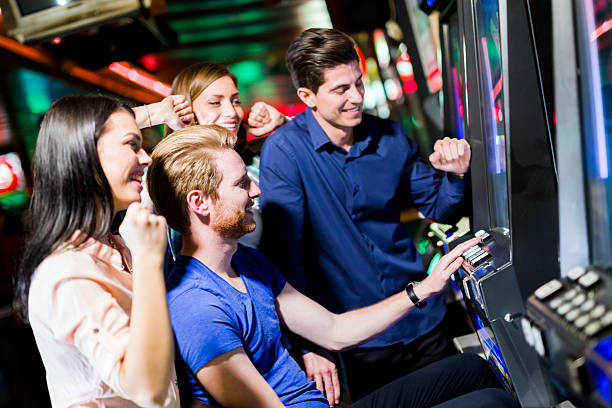
Moreover, the immediate gratification of small wins within gaming machines fosters a sense of achievement, encouraging players to extend their playtime. This design choice is intentional; it creates a cycle of behavior that primes guests to continue gambling in hopes of larger payouts. Casinos have mastered the art of creating reward systems that keep guests engaged, enhancing their overall enjoyment while driving profits. The anticipation of rewards can be a powerful motivator, keeping players at the gaming tables longer than they might have initially intended.
Additionally, the excitement of competing for rewards can trigger social behaviors. Casinos often design spaces for tournaments and competitions, fostering a sense of community and camaraderie among players. This social aspect adds another layer of appeal, as individuals are drawn to the thrill of competition. The psychological impact of these rewards and incentives reinforces the casino’s design strategy, cultivating an atmosphere of excitement and engagement that encourages guests to return consistently. This creates not just a place to gamble, but a vibrant social hub that enhances the overall experience.
Conclusion: Understanding Casino Design Through a Psychological Lens
Understanding the intricate relationship between casino design and psychology provides valuable insights into why certain strategies are employed. Each element—from color schemes to layout and sensory stimuli—is curated to enhance the guest experience, ensuring engagement and maximizing revenue. By delving into the psychological principles that underpin these design choices, one can appreciate the complexities that influence customer behavior. Recognizing these strategies allows for a deeper understanding of what makes casinos not just places of gaming, but intricate environments designed for maximum impact.
This holistic approach to design not only focuses on aesthetics but also prioritizes creating an ambiance that resonates with guests on a psychological level. The interplay of various elements invites repeat visits and increases the likelihood of spending, establishing a sustainable business model for casinos worldwide. As the industry continues to evolve, staying attuned to these psychological triggers will be essential for future success. The blending of psychology and design will remain critical to captivating and maintaining the attention of patrons.
For those interested in exploring more about the fascinating interplay between psychology and design within casinos, visiting specialized websites that cater to this niche can provide deeper insights. Engaging with resources dedicated to this subject can enhance understanding and appreciation of the sophisticated strategies that shape the casino experience. These platforms often offer valuable information and case studies that shed light on the evolving nature of casino design and its psychological underpinnings, making them a worthwhile resource for enthusiasts and professionals alike.


